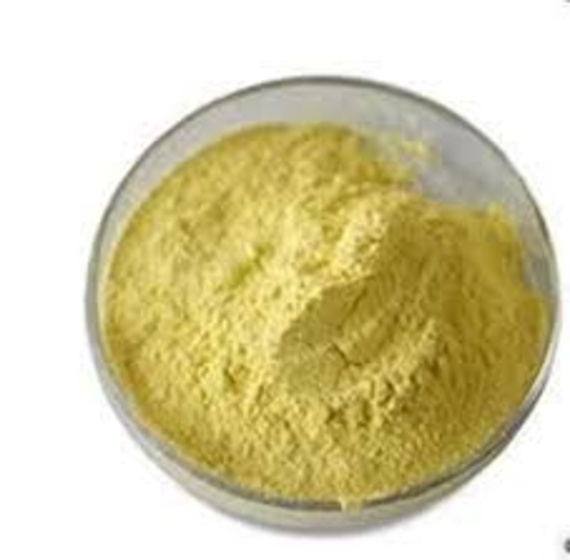
Tretinoin API About
Tretinoin is used to treat acne or other skin diseases as determined by your doctor. It works partly by keeping skin pores clear. One of the tretinoin creams is used to treat fine wrinkles, dark spots, or rough skin on the face caused by the damaging rays of the sun. It works by lightening the skin, replacing older skin with newer skin, and slowing down the way the body removes skin cells that may have been harmed by the sun. Tretinoin works best when used within a skin care program that includes protecting the treated skin from the sun. However, it does not completely or permanently erase these skin problems or greatly improve more obvious changes in the skin, such as deep wrinkles caused by the sun or the natural aging process.
Therapeutic ApplicationsTretinoin is widely recognized for its effectiveness in dermatological products, particularly for acne and photoaging treatments. As an API, it serves as a key ingredient in topical formulations, often prescribed to enhance skin renewal and reduce signs of aging. Its strong activity makes it a trusted pharmaceutical agent for both medical and cosmetic uses.
Quality and Safety StandardsRenova (Tretinoin API) adheres to stringent quality control standards, with a purity range of 97% to 103% and a heavy metal content below 20 ppm. With a loss on drying of 0.5%, it guarantees consistency and stability. These parameters, combined with its certified medicine-grade status, ensure safe integration into pharmaceutical and food products.
Storage and Shelf LifeTretinoin must be stored in a dry place to preserve its quality and extend its shelf life, which is rated up to 4 years. Proper storage conditions help maintain its physical and chemical integrity, contributing to the safety and efficacy of final products. Manufacturers and suppliers in India follow international protocols for handling and storage.
FAQs of Tretinoin API:
Q: How is Tretinoin API commonly used in pharmaceutical and food industries?
A: Tretinoin API is utilized primarily in pharmaceutical formulations for treating skin conditions like acne and photoaging. In food applications, it plays a role in enhancing nutritional value and stability due to its antioxidant properties.
Q: What benefits does Tretinoin API offer in medical-grade products?
A: Tretinoin API provides proven benefits such as promoting skin cell turnover, reducing wrinkles, and helping to clear acne. Its high purity and medicine-grade standards contribute to its effectiveness and safety in topical and oral medicines.
Q: Where should Tretinoin powder be stored to maintain its shelf life and stability?
A: Tretinoin powder should be preserved in a dry location away from moisture and direct sunlight to uphold its shelf life of 4 years and maintain the integrity of its chemical and physical properties.
Q: What is the typical process for integrating Tretinoin API into pharmaceutical products?
A: The API is carefully blended into topical creams, gels, or oral formulations following precise dosing protocols. Quality control measures, including assessment of purity and heavy metal content, ensure safe and effective end products.
Q: When is Tretinoin API most effective for skin-related treatments?
A: Tretinoins effectiveness is maximized in products designed for nighttime use, as its active properties promote skin regeneration during sleep and can be sensitive to sunlight exposure.
Q: What precautions should be taken when handling Tretinoin powder?
A: Handling Tretinoin powder requires protective equipment to prevent inhalation or direct contact, and should be conducted in well-ventilated, controlled environments to minimize risk and ensure safety.








 Send Inquiry


 Send Inquiry


 Send Inquiry
 Send SMS


 English
 Spanish
 French
 German
 Italian
 Chinese (Simplified)
 Japanese
 Korean
 Arabic
 Portuguese