Cetyl alcohol About
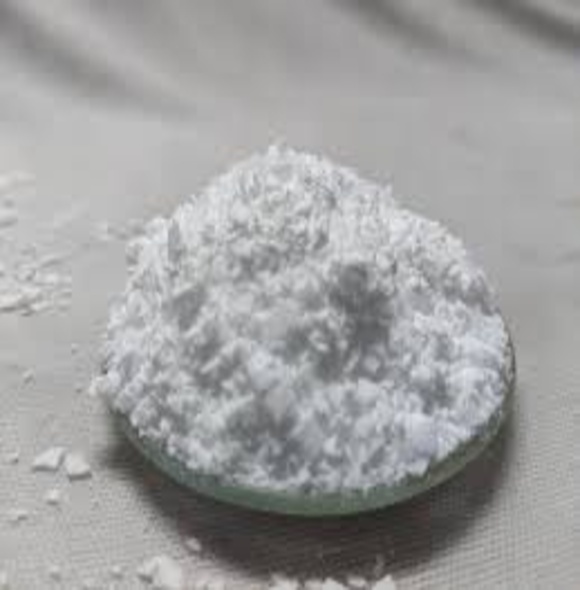
Our cetyl alcohol is a fatty alcohol that is mostly used in cosmetic and personal care items including shampoos, creams, and lotions. It is primarily employed as an opacifier, emulsifier, and thickening agent, altering the thickness of the liquid as well as increasing and stabilising the foaming capacity. It is characterised by its signature velvety texture that is highly desirable in the cosmetic industry. Overview of Cetyl AlcoholCetyl alcohol is a highly purified, wax-like solid frequently utilized in the formulation of various personal care products, including lotions, creams, shampoos, and conditioners. It serves multiple roles, acting as a thickener, emollient, and surfactant. This ingredient is appreciated for its odorless quality, white appearance, and matte finish, making it ideal for cosmetic products catering to all skin types.
Product Applications and CompatibilityWith its excellent moisturizing and stabilizing effects, cetyl alcohol improves texture and consistency in a wide array of skin and hair products. It is compatible with alcohols and oils, but not with water, and is especially beneficial for creams and conditioners where a stable, luxurious texture is desired. Thanks to its unisex appeal and suitability for all skin types, it is a staple in modern formulations.
Safe Storage and HandlingCetyl alcohol should be stored in a cool, dry place to preserve its stability and effectiveness. It is typically delivered in bags or drums and has a shelf life of up to three years. As a non-irritating, odorless, and non-toxic product, it is safe for use in personal care applications and suitable for bulk supply, manufacturing, and export.
FAQs of Cetyl alcohol:
Q: How is cetyl alcohol used in personal care formulations?
A: Cetyl alcohol is incorporated as an emollient, thickener, and stabilizer in many personal care products such as creams, lotions, shampoos, and conditioners. It imparts a smooth, creamy texture and improves product consistency, making formulations more luxurious and easier to apply.
Q: What are the primary benefits of using cetyl alcohol in cosmetics?
A: Cetyl alcohol enhances moisturization, stabilizes ingredient blends, and provides a matte finish to formulations. Its thickening properties help create a rich, smooth feel, while its emollient nature contributes to skin softness and hydration.
Q: When should cetyl alcohol be added during the manufacturing process?
A: Cetyl alcohol should typically be added during the oil phase of cosmetic manufacturing, when heating oil-soluble ingredients. It melts at 49-55C, allowing for easy blending with other oils and waxes before emulsification or final formulation.
Q: Where is cetyl alcohol most effectively applied?
A: Cetyl alcohol is most effective in personal care formulations such as creams, lotions, shampoos, conditioners, and ointments. It is suitable for products intended for all skin and hair types, making it a versatile ingredient in cosmetic and pharmaceutical industries.
Q: What is the process for storing cetyl alcohol to maintain its quality?
A: Cetyl alcohol should be stored in a cool, dry environment, preferably in sealed bags or drums, to prevent moisture absorption and maintain its white, waxy appearance. Proper storage ensures the product remains effective for up to three years.
Q: Is cetyl alcohol safe for all skin types?
A: Yes, cetyl alcohol is gentle and suitable for all skin types, including sensitive skin. Its moisturizing, non-irritating properties and absence of added fragrance make it ideal for unisex and hypoallergenic products.
Q: Can cetyl alcohol be mixed with water directly?
A: No, cetyl alcohol is insoluble in water but can be blended with oils and alcohols. It is incorporated during the oil phase and requires proper mixing for uniform product consistency.







 Send Inquiry


 Send Inquiry


 Send Inquiry
 Send SMS
 Call Me Free


 English
 Spanish
 French
 German
 Italian
 Chinese (Simplified)
 Japanese
 Korean
 Arabic
 Portuguese